Did you know that the word “jade” comes from the Spanish phrase “piedra de ijada”, which means “stone of the loins”?
This is because they saw Central American natives holding jade pieces to the sides of their bodies, believing in the stone’s healing benefits.
The Aztecs and Mayans were particularly fond of jade, using it for all sorts of things, including jewelry, tools and ornaments.
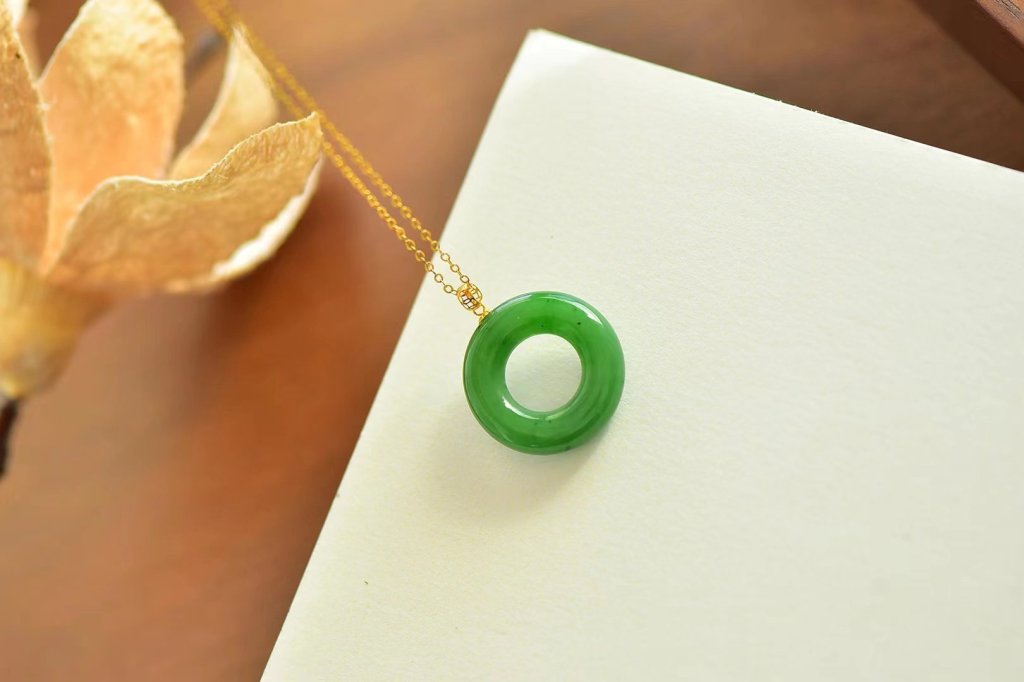
But why was this mineral so prized by these cultures? Part of the answer has to do with its physical properties. Jade is highly durable, making it perfect for use in harsh environments. It’s also relatively soft, meaning it can be carved and shaped easily. And, perhaps most importantly, jade is known for its beautiful green color, a popular choice for jewelry and decorative items.
However, the cultural significance of jade goes beyond its physical properties. For example, in Chinese culture, jade is seen as a symbol of purity and righteousness. People also believed in its protective qualities, so they often used it in amulets and talismans. In fact, the Chinese name for jade, 玉 (yù), means “precious stone” and “gem”. The Chinese also used it for grave furnishings for royal family members.
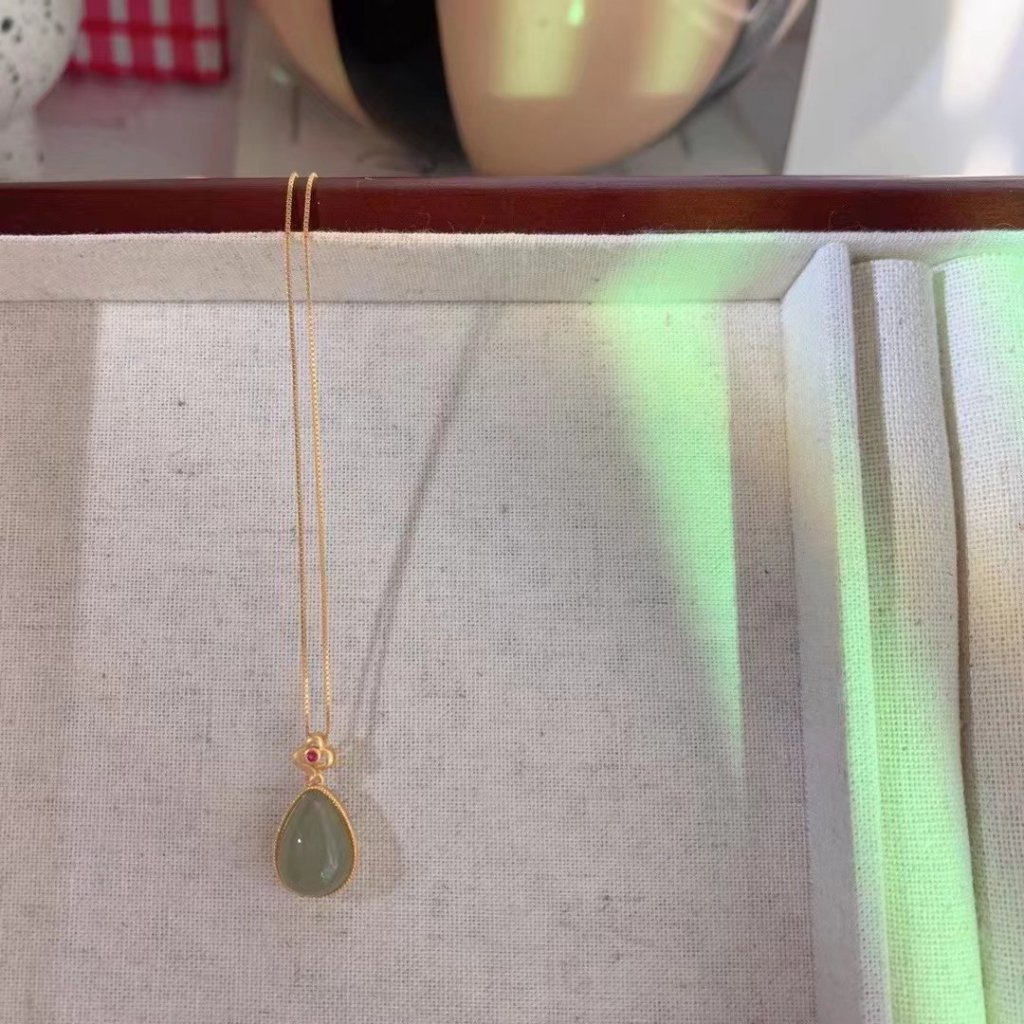
Jade has also been prized by other cultures throughout history, with some using it for making the most delicate objects. In modern times, jade is still valuable for making jewelry, especially in East Asia.
 Faith’s Treasures